

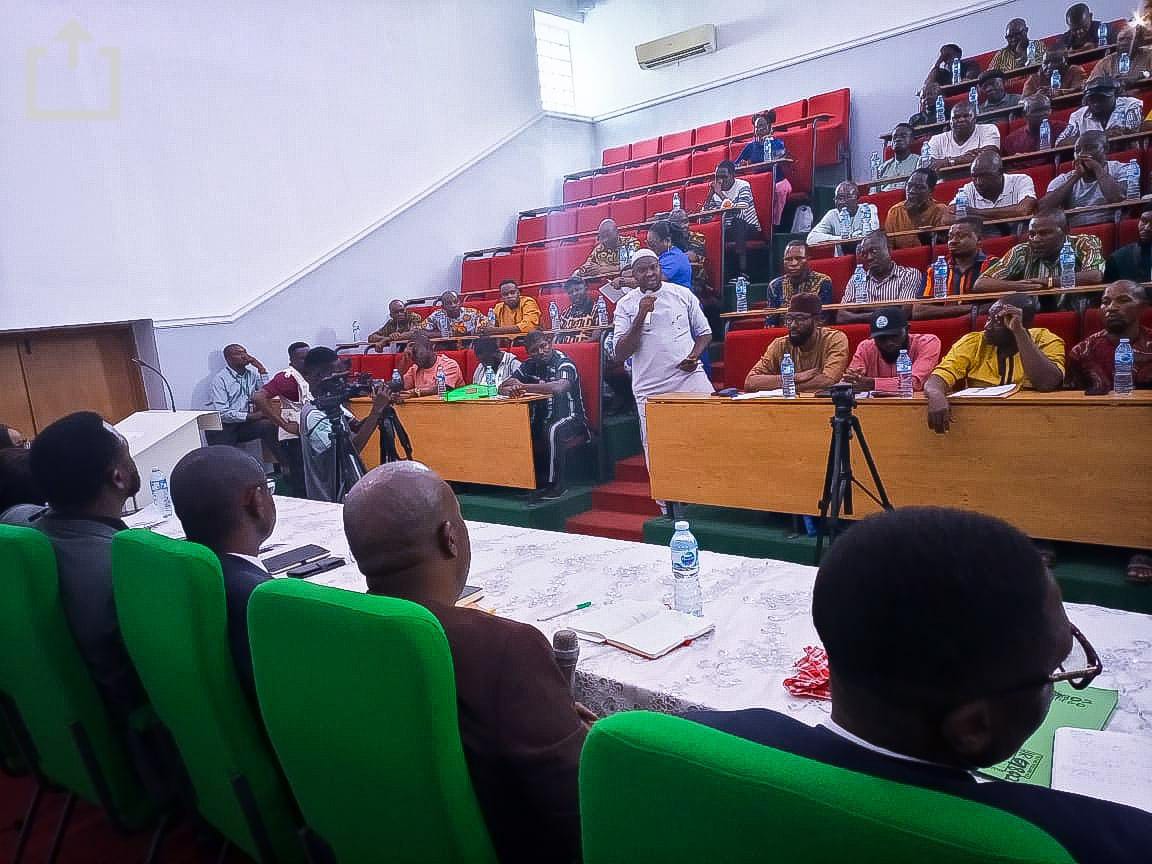
As part of measures to improve the tax system, ensure compliance, and address issues of double taxation, the Edo State Internal Revenue Service (EIRS) says it plans to introduce a consolidated annual demand notice for payment of levies in the state. This initiative was disclosed by the Executive Chairman of EIRS, Mr. John Odior, FCA, ACTI during a stakeholders’ interactive meeting held to enlighten trade union representatives on withholding tax, personal income tax and tax compliance with tax laws.
Addressing the union members, the EIRS boss emphasized the Service’s readiness to partner with trade unions to increase the state’s Internally Generated Revenue (IGR), which is vital for societal development. Mr. Odior stated: “We want to rub minds together and explore how we can partner on revenue generation. Our goal is to stop the fragmented collection of levies. We will work with all stakeholders to ensure your members pay their levies once a year through a document known as the Consolidated Single Annual Demand Notice, which will incorporate all applicable fees.”
He further noted that the Revenue Service is working to fully automate tax processes in Edo State to enhance transparency, accountability, and seamless participation. Mr. Odior also used the occasion to inform union members of the extension for filing individual annual tax returns to April 30, 2026. He urged total compliance with tax laws, reminding attendees that under the current era of self-assessment, business owners are expected to calculate their profits and file returns promptly.
“The law makes it mandatory for individual business owners making payments on loans, rents, goods, and services to deduct and remit Withholding Tax (WHT) to the government on behalf of the recipient,” he explained.
In providing further enlightenment, Mr. Odior clarified that tax is paid on earned income and warned that tax evasion is a criminal offense. He urged union members to formalize their business names to avoid litigation, maintain proper books of account, and retrieve their Tax Identification in line with the Nigeria Tax Administration Act (NTAA).
The EC reiterated the state government’s ban on cash and illegal revenue collection, charging union members to apprehend and hand over any unauthorized collectors to law enforcement agencies. He concluded by reaffirming the government’s commitment to utilizing tax revenue for the benefit of Edo citizens, as evidenced by ongoing projects across various sectors, and urged all residents and taxpayers to support these efforts by paying their taxes as and when due.